Click here to view in your browser
Click here to sign up for this or any other IEA newsletter
|
|
Welcome to the IEA’s Clean Energy Transitions newsletter, where you can get up to date with our latest work building capacity around the world to achieve a secure and sustainable future for all
|
Tracking renewables globally
At COP28 in Dubai, in 2023, nearly 200 countries made major energy pledges to keep the Paris Agreement target of limiting global warming to 1.5 °C within reach. For the first time, governments set collective targets to meet this objective, including a commitment to triple global renewable electricity capacity by the end of this decade.
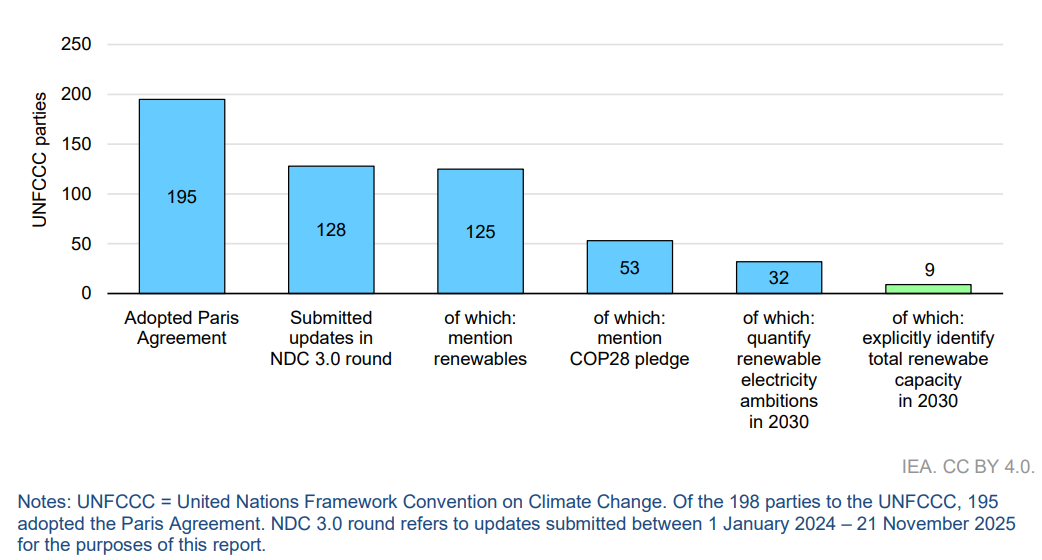
Our recent report, COP28 Tripling Renewable Capacity Pledge 2025: Update, builds on our 2024 analysis and tracks global progress toward delivering the tripling goal. It provides a comprehensive assessment by reviewing all new Nationally Determined Contributions (NDCs) submitted through the end of COP30 last year, assessing overall renewable ambitions for 2030, and examining updates to national policies since the previous report. The findings are also included in our Renewable Energy Progress Tracker data tool, that includes a dynamic dashboard to explore both historical data and forecasts for renewables across sectors and technologies.
Between COP28 and the end of COP30, only about two-thirds of NDCs were updated and fewer than half specifically referenced the global tripling goal. However, our report also found that these NDCs under-represent current government ambitions for installed renewable capacity. Analysis of existing policies, plans and estimates for 189 countries correspond to reaching around 8 350 GW of renewable capacity in 2030, five times the level reflected in current and past NDCs.
|
|
Assessment of renewable capacity ambitions in NDCs submitted since January 2024
|
|
|
Strengthening capacity for global efficiency
Another important COP28 pledge was doubling the rate of energy efficiency improvements globally by 2030. Efficiency is one of the fastest and most affordable ways to ensure energy security which is especially important in regions such as the Middle East and North Africa where economies are developing rapidly and energy demand is rising. Doubling efficiency will require targeted policy action and sustained support. Strengthening countries capacity to deliver this is one of the key ways the IEA contributes.
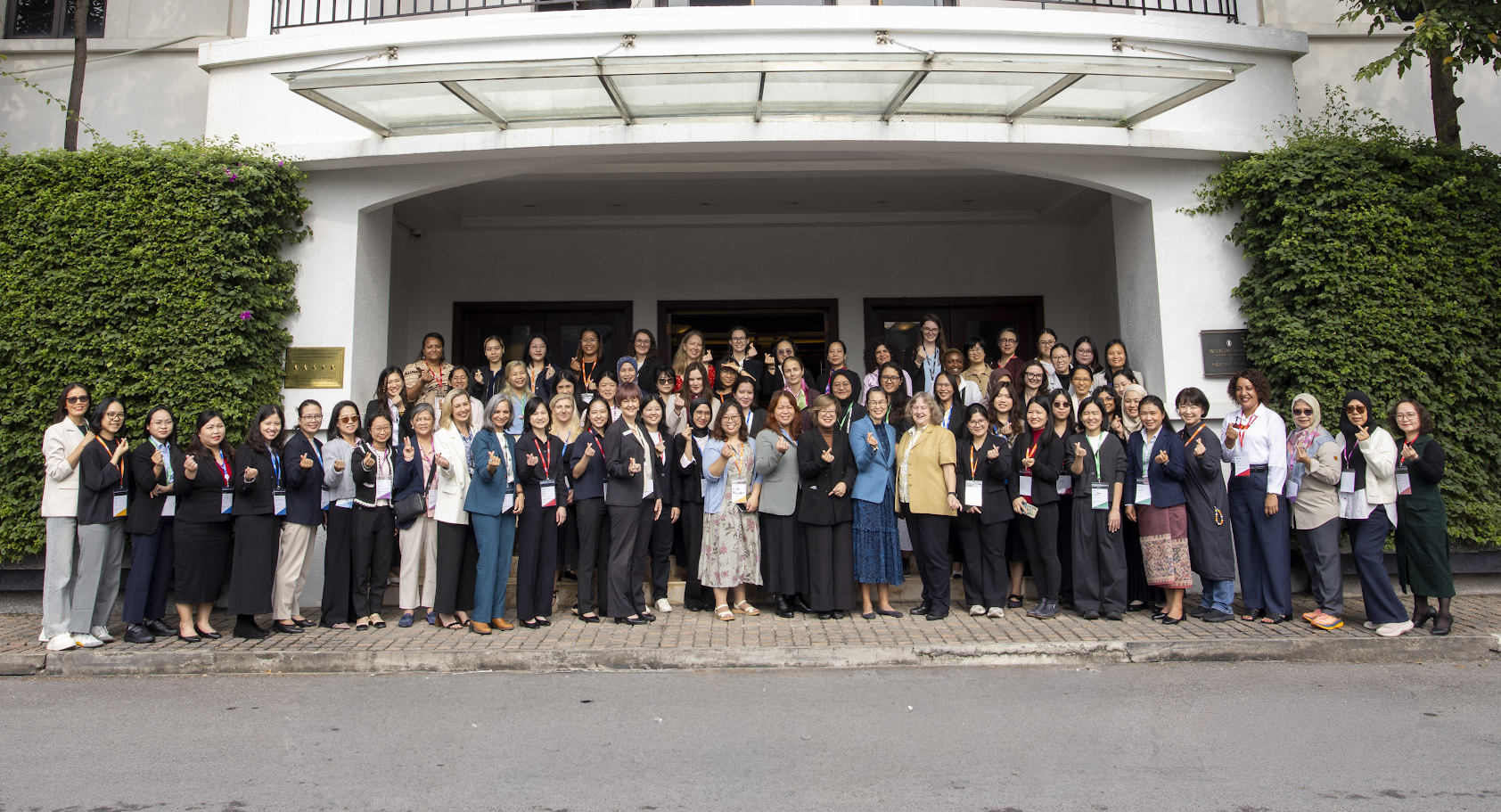
In December 2025, the IEA convened nearly 150 energy policy professionals from across Southeast Asia for the Southeast Asia Energy Efficiency Policy Training Week in Hanoi, Viet Nam. Co-hosted by Viet Nam’s Ministry of Industry and Trade, and with support from the Asian Development Bank (ADB), the training week was the inaugural IEA event in Viet Nam and highlighted the IEA's growing work on energy efficiency in Southeast Asia. Professionals from more than 12 countries across the region gathered to exchange practical experiences and policy approaches on energy efficiency measures covering buildings, appliances, industry, transport, and indicators and evaluation. Participants said the knowledge and tools gained boosted their confidence and will help them build more ambitious energy efficiency policies. They also noted the opportunities provided by networking such as learning more realistic policy design tools, addressing multiple barriers, and improving communication. The opening plenary featured high-level panels which explored drivers of energy efficiency and energy efficiency for affordability.
|
|
|
Participants of the Southeast Asia Energy Efficiency Policy Training Week in Hanoi, Viet Nam in December 2025
|
Understanding China's role in global energy finance
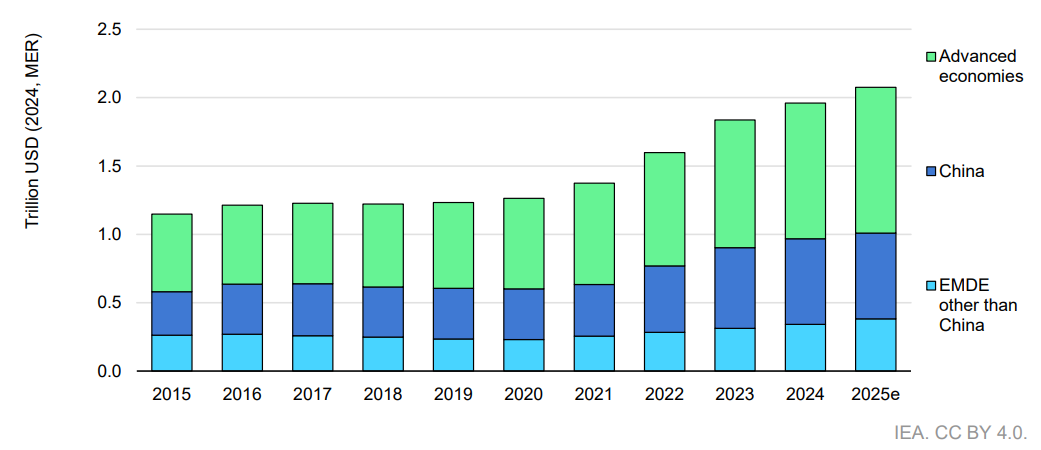
The growing importance of energy efficiency highlights a larger trend. End-use investments in electrification and other efficiency measures have nearly doubled in the last decade, and in this same period, the People’s Republic of China (hereafter “China”) has emerged as a powerhouse in the global energy system. Both large domestic investments and external capital spending have firmly established China’s central role in global energy investment flows, with the country committing on average more than USD 55 billion annually to energy-related projects in emerging and developing economies since 2015, equivalent to around 8% of all tracked clean energy investment directed to these economies. Prior to the coronavirus pandemic, financing was driven by state-owned policy banks and sovereign actors. This has now shifted to state-owned enterprises, state-owed commercial banks and export credit agencies. Our report, China’s Official Energy Finance in Emerging and Developing Economies, maps these changes through energy sector-level data, exploring how China's evolving financing model is reshaping instruments, institutions and regional allocation patterns; it also features a series of case studies that lay out the implications for the countries that receive financing from China.
|
|
Global clean energy investment by income group, 2015-2024
|
|
|
The increasingly diversified financing landscape means a larger set of financial instruments can support energy systems in emerging and developing economies, which brings opportunities and challenges. China’s official financing is expected to shift toward cleaner, more competitive models that prioritise project viability, risk management and credit quality, which can help increase equity access for early-stage clean energy projects in those countries, as well as attract private investment and leverage cost-effective decarbonisation technologies manufactured in China.
The role of renewables in ASEAN
While financing is a major barrier to achieving timely renewable energy deployment, other challenges also stall rapid deployment. In ASEAN countries (the Association of Southeast Asian Nations), electricity demand has tripled in the past decade, fuelled by economic growth, urbanisation, industrial expansion and rising living standards. Coal-fired power plants help meet the demand, but the expansion of renewable energy has also helped meet the region's energy transition goals. Certain barriers persist in helping unlock these resources, however. Our report, Accelerating Renewables Growth in ASEAN, identifies and groups these challenges into three broad categories:
- Elevated investment risk and higher renewable generation costs
- Power system and inflexible fossil fuel power purchase agreements
- Permitting, community engagement and data availability:
The report includes policy suggestions for ASEAN member states to help address these challenges while appreciating their differing circumstances including the design of their power market and their underlying generation mix. The report also pulls out how several countries across the ASEAN region have already has success in accelerating renewable investment, for example, by taking actions to streamline permitting frameworks, simplify auction designs and improve the availability of tender documentation.
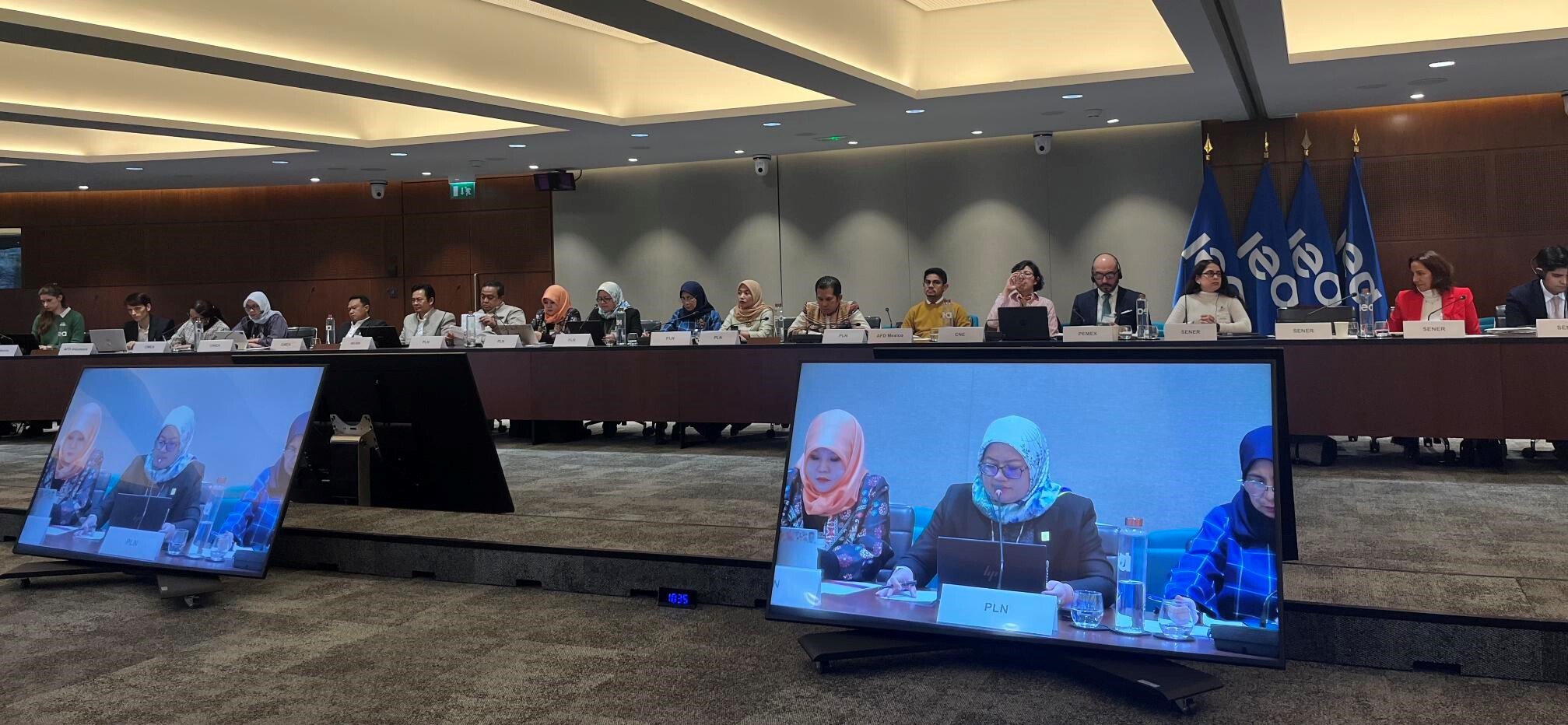
These regional insights feed into broader international dialogues on accelerating clean energy transitions. In December, the IEA welcomed 38 senior level delegates from Indonesia, Mexico and South Africa for a meeting on energy sector transformation, co-organised by the French Development Agency and the European Commission. Participants included representatives from government and industry. They discussed the World Energy Outlook 2025, coal in energy transitions, fostering the deployment of efficient, low-carbon power mixes, and energy access and affordability. Exchanges focused on investment challenges in developing economies, particularly on grids and extending electricity and clean cooking access. Discussion also focused on approaches countries were taking to ensure secure and just transitions while phasing down coal, in particular challenges related to security of supply, managing electricity rates, and creating new employment opportunities.
|
|
Participants at the IEA in December 2025 during a meeting co-organised by the French Development Agency and the European Commission
|
|
|
|
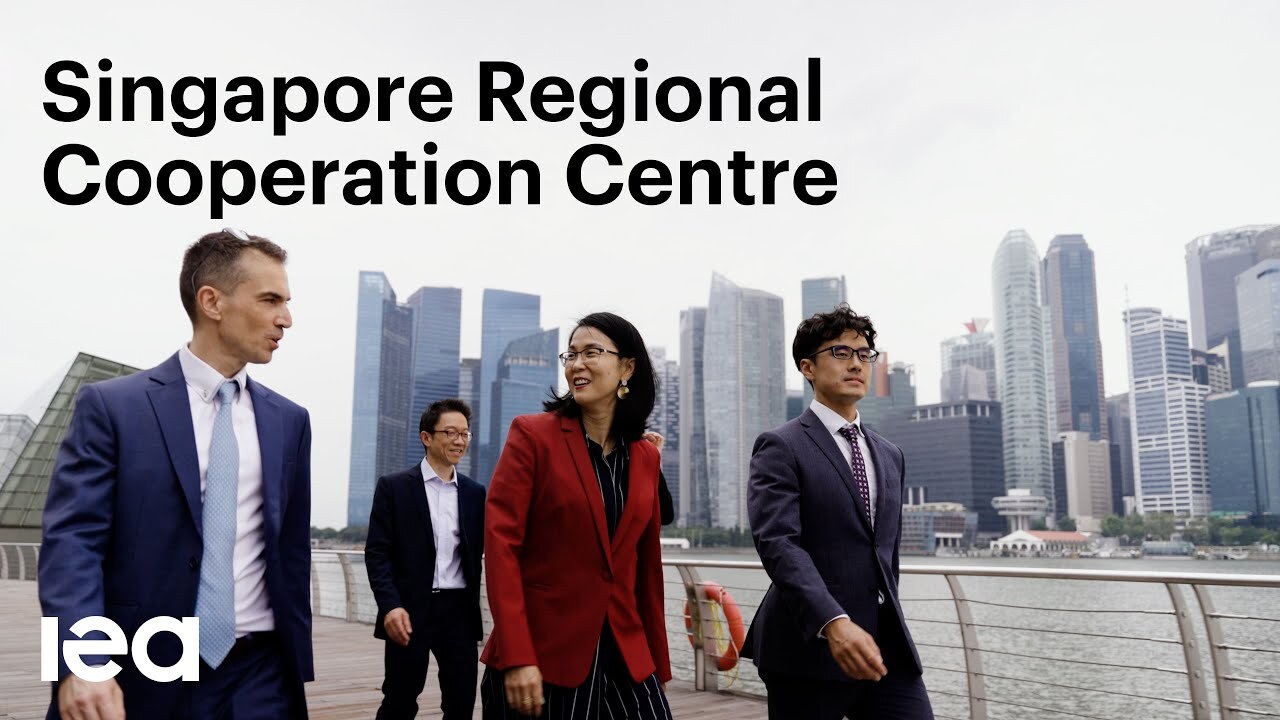
Click on the link above to view the video to learn more about the IEA's deepening partnership with Southeast Asia through our Singapore Regional Cooperation Centre.
|
|
|
The Clean Energy Transitions Programme is the IEA’s flagship initiative to transform the world’s energy system to achieve a secure and sustainable future for all. The CETP turns targets into action, working to accelerate progress towards the goal of global net zero emissions through secure and people-centred clean energy transitions, with a focus on major emerging and developing economies. For a complete overview of the work achieved in 2022 by the Programme, check our annual report online.
|
|
|
|
|